
Some yards do not have a drainage problem, they have a drainage absence. No pit where one is needed, a line running the wrong way, a pipe too small for the roof area feeding it, or an outlet that was never connected to anything.
Clearing a drain like that achieves nothing, because there was never a blockage. The water has nowhere to go by design. That is an excavation and installation job, not a maintenance one.
Signs you need drainage installed, not cleared
- The same part of the yard floods every time it rains, and always has
- Water sheets across the surface instead of finding a pit
- A pit that fills and overflows even immediately after being cleaned
- Water pooling against the house, a slab edge, or under a deck
- Downpipes discharging onto the ground rather than into a drain
- A new extension, shed, pool or driveway that changed where water goes
- Soggy ground that never dries out between rain
What we install and excavate
- New stormwater pits
- Where water collects but has no entry point. Placement matters more than size: a pit in the wrong spot is an expensive hole.
- Stormwater pipework and falls
- New runs from pits and downpipes to a legal discharge point, laid with enough fall to actually carry water and silt rather than hold it.
- Yard and surface drainage
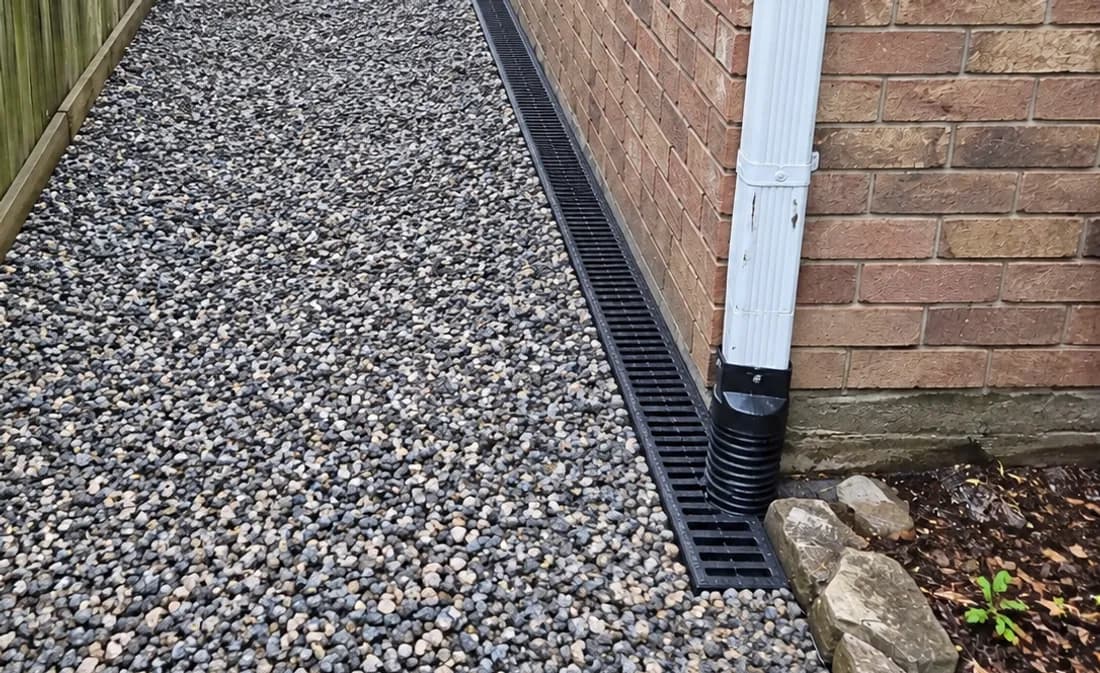
- Grated drains across driveways and paths, and subsurface drainage on blocks that hold water in the soil.
- Replacing failed sections
- Where a camera has shown a collapsed or crushed run, excavation to expose it and replace the damaged length.
- Connecting what was never connected
- Downpipes discharging at ground level, or an outlet that stops short of the street. More common than people expect, particularly after renovations.
- Sewer and stormwater repairs
- Excavated repairs to both systems, located precisely first so the hole is as small as the job allows.
How an excavation job runs
Digging is the last step, not the first. Everything before it exists to make the hole as small and as accurate as possible.
- 01Look at what is already thereWhere water currently goes, what pits and lines exist, and whether the problem is a blockage, a defect or a system that was never adequate.
- 02Camera and locateExisting lines are inspected and traced so we know what can be reused and exactly where it runs before anything is dug.
- 03Work out where the water has to goStormwater has to discharge to a legal point. Falls, levels and the discharge point decide the design, not guesswork.
- 04Quote the workScope in writing before machinery arrives, including what gets reinstated afterwards.
- 05Excavate and installDig, lay, connect, backfill and reinstate the surface. Targeted excavation because the line was located first.
- 06Test itWater down the system to confirm it actually carries away, and a camera through new runs where it is useful.
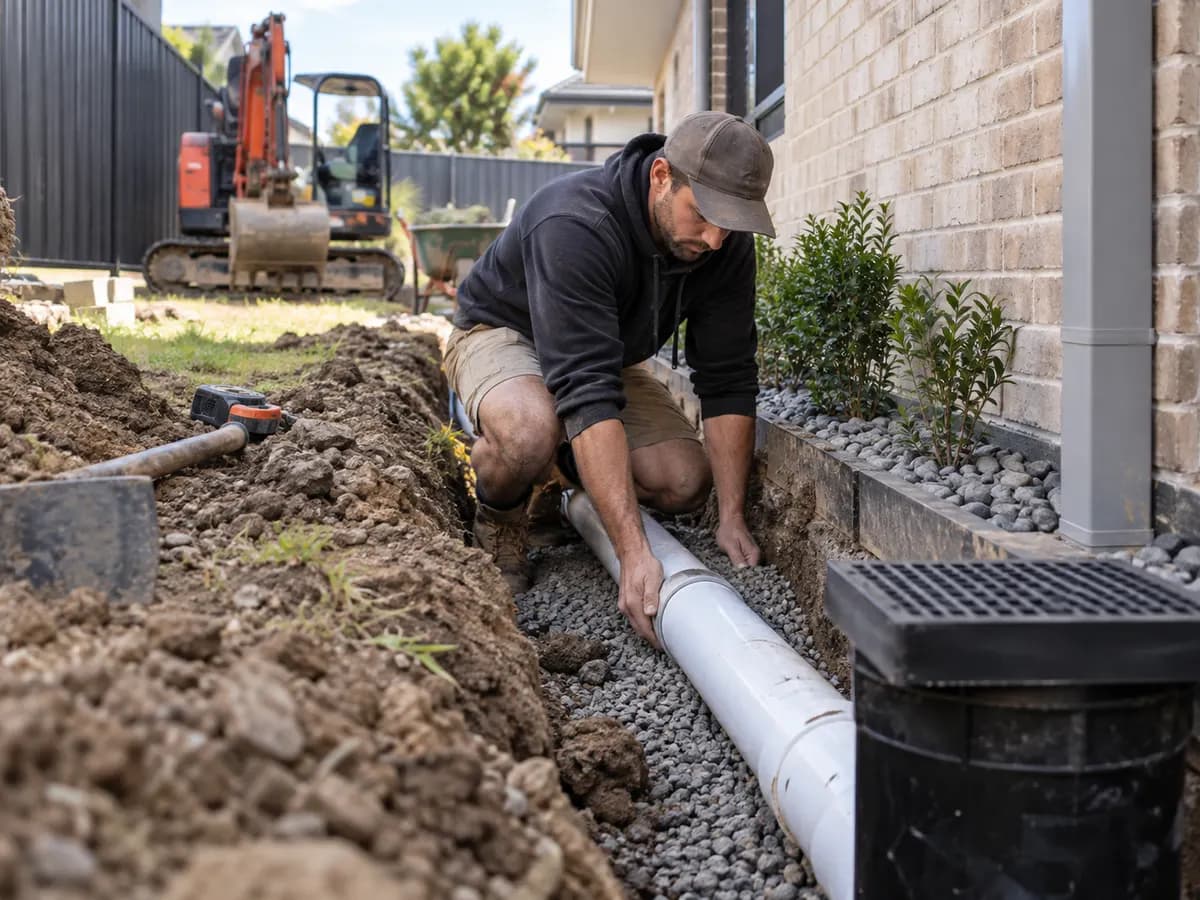
A yard that held water after every storm
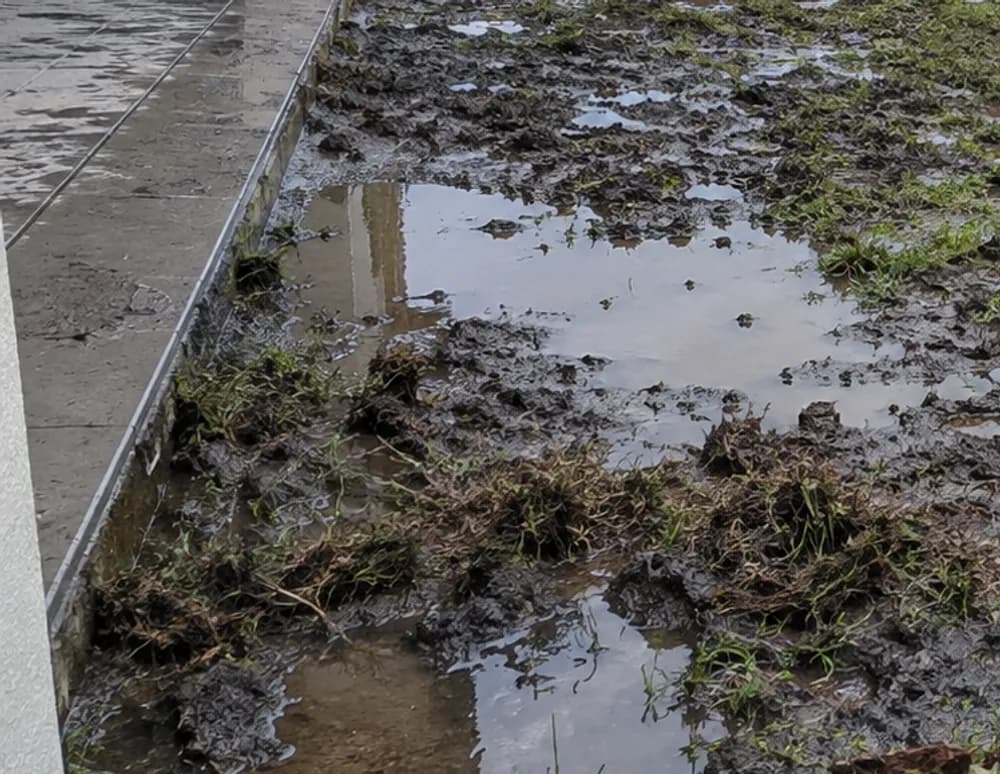 Before
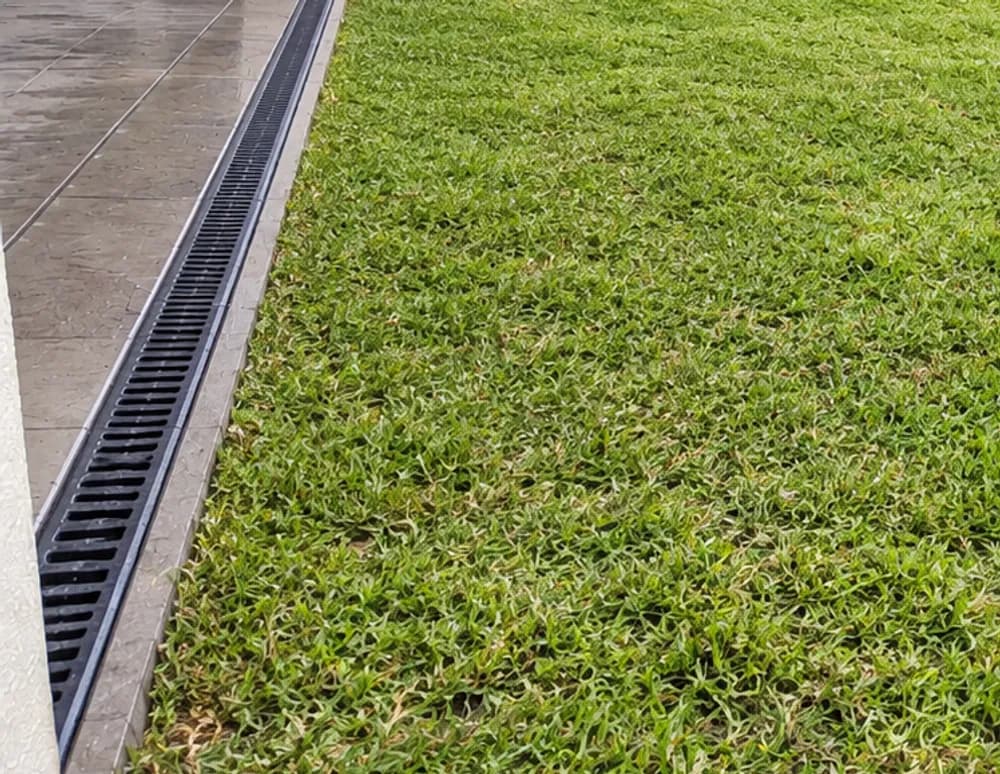 After
AfterSide paths are where water gets trapped
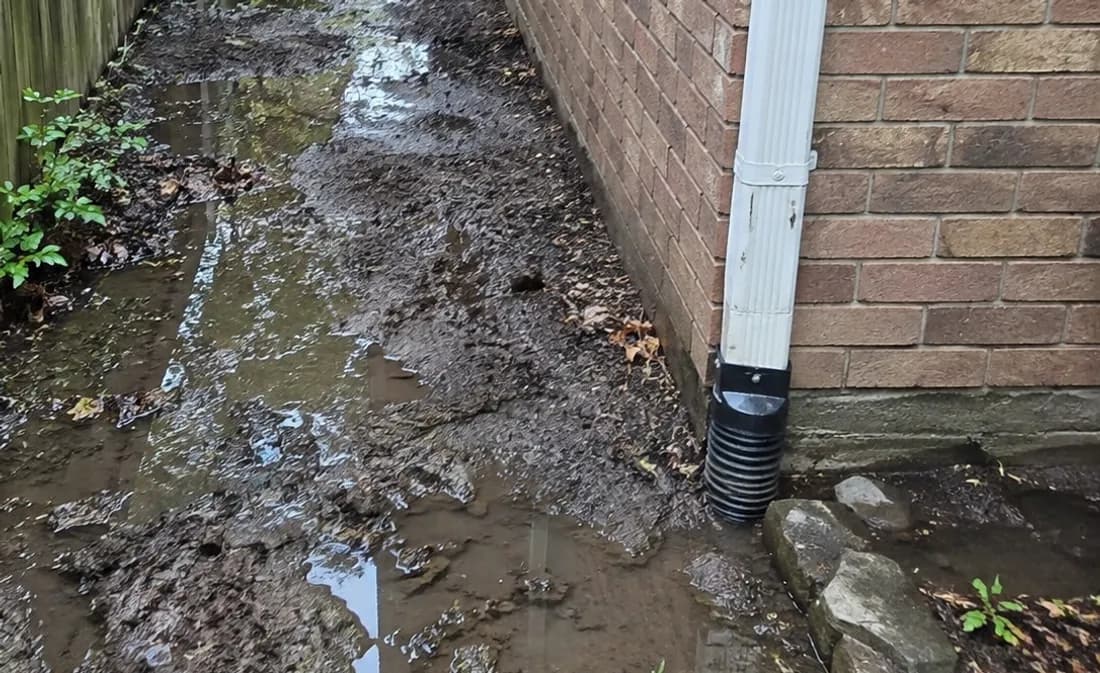 Before
 After
AfterBeing straight about scope
Not every flooding problem is solved by drainage. Some blocks flood because of where they sit relative to everything around them, and no amount of pipe fixes a low point that has water arriving from three neighbours uphill.
Where that is the case we will say so rather than sell an installation that will not work. Occasionally the honest answer is a civil or hydraulic engineer rather than a drainer.
Work affecting a legal point of discharge, an easement or council infrastructure has approval requirements. We will tell you when a job crosses into that territory instead of quietly digging.
Pleasant experience, efficient and professional. Although it was eventually discovered that drainage problem did originate from the public sewer line, John helped me to report and explain with the bodycorp, very considerable guy! Highly recommended.
WilliamFantastic and honest service! Extremely rare nowadays. Had a blocked drain (thanks to “breeders choice” cat litter) and needed someone to come over asap.
Hanna Chebotnikova